

tempered glass wholesale
Understanding the Dial Bore Gauge An Essential Tool for Precision Measurement In the realm of mechanical engineering and manufacturing, precision is a core requirement. One tool that plays an indispensable role in ensuring accuracy in measurements is the dial bore gauge. This versatile instrument is particularly significant when it comes to measuring the internal diameter of cylindrical objects with high precision. A dial bore gauge typically consists of a measuring rod equipped with a dial indicator and a set of interchangeable tips that can be adjusted to measure various sizes. With a range of 50 to 160mm, this particular gauge is capable of measuring a wide variety of bore sizes, making it ideal for various applications in mechanical workshops and production facilities. Components and Functionality The primary component of a dial bore gauge is the dial indicator, which allows the user to read measurements with high clarity. The gauge also features a calibrated rod, which extends into the bore of the workpiece. The interchangeable tips, usually carbide-tipped, help the tool make contact with the internal surface, ensuring accurate readings. As the gauge is inserted into the bore, any deviation from the nominal size results in a corresponding movement of the dial indicator needle, providing real-time feedback on the bore diameter. To use a dial bore gauge effectively, it is essential to follow a systematic process. The tool needs to be set to the nominal diameter of the bore to be measured. Once positioned within the bore, it is important to rotate the gauge slightly and take multiple readings at different clock positions of the bore to account for any irregularities. This method not only verifies the diameter but also helps to identify any taper or out-of-round conditions in the workpiece. Applications in Industry dial bore gauge 50 160mm Dial bore gauges are widely utilized in various sectors, including automotive, aerospace, and manufacturing industries. Their precision makes them suitable for measuring the internal diameters of engine cylinders, hydraulic cylinders, and bearing holes. In these applications, even minor deviations in size can lead to significant performance issues or mechanical failures, underscoring the need for accurate measurements. The ability to detect imperfections, such as wear or damage within a bore, also enhances the maintenance of equipment. For instance, in automotive engine maintenance, ensuring that the bore specifications are met can prevent oil leaks and ensure proper sealing of components. Consequently, regular monitoring with a dial bore gauge can prolong the life of machinery and reduce the costs associated with repairs or overhauls. Advantages Over Other Measuring Methods Compared to other measuring instruments, such as calipers or micrometers, the dial bore gauge offers several advantages. Its design allows for measurements at the internal surfaces of bores that are often difficult to access with traditional tools. Additionally, the simplicity of reading the dial indicator facilitates quick assessments, enhancing productivity on the factory floor. Furthermore, the dial bore gauge's versatility is noteworthy. With the ability to measure a wide range of diameters by switching tips, it can serve multiple purposes in a workshop without the need for numerous specialized tools. Conclusion The dial bore gauge plays a crucial role in modern manufacturing and mechanical engineering. Its precision, versatility, and ease of use make it an essential tool for professionals who demand accurate measurements. By incorporating this tool into their measurement practices, engineers and machinists can ensure that their products meet the required specifications, ultimately contributing to improved performance, safety, and reliability in various applications. Whether you are in an automotive workshop or a high-tech manufacturing facility, investing in a quality dial bore gauge is a decision that pays dividends in precision and efficiency.
about
tempered glass wholesale
Understanding Thread Plug Gauge Standards Thread plug gauges are essential tools in the manufacturing and engineering industries, serving as critical instruments for the inspection and quality control of threaded components. The accuracy and reliability of these gauges are crucial in ensuring that the threads produced meet specified tolerances and functional requirements. One of the key aspects in the context of thread plug gauges is the standardization of their dimensions and characteristics, which ensures consistent performance across different applications and industries. The Importance of Standardization Standardization in thread plug gauges helps to maintain uniformity in thread dimensions among various products and manufacturers. This is vital for ensuring that parts produced by different manufacturers can fit and function correctly together, which is particularly important in industries such as aerospace, automotive, and machinery manufacturing. Without standardization, the risk of parts being incompatible increases, which can lead to costly production issues and potential safety hazards. International standards organizations, such as the International Organization for Standardization (ISO) and the American National Standards Institute (ANSI), have developed specific guidelines and standards for thread gauges. These standards outline the dimensional tolerances, materials, and usage protocols for thread plug gauges, ensuring that they meet quality assurance criteria across industries. Thread Plug Gauge Types There are various types of thread plug gauges, each designed for specific applications. The most common types include 1. Go Gauges These gauges are designed to check the maximum limit of the acceptable thread dimensions. A go gauge must fit into the threaded hole without any resistance, ensuring that the internal thread is within the specifications of the standard. 2. No-Go Gauges In contrast, the no-go gauge checks the minimum limit of the thread dimensions . If the no-go gauge fits into the thread, it indicates that the thread is out of tolerance and does not meet the required specifications. 3. Intermediate Gauges These gauges are often used for more precise applications and checking for alignment and other nuanced tolerances. thread plug gauge standard Measuring Thread Dimensions Thread plug gauges are utilized to inspect various dimensional characteristics of threads, such as pitch diameter, flank angle, and thread form. The primary measurement of interest is often the pitch diameter, which directly influences how well two threaded components will mate. Proper use of thread plug gauges helps in identifying any deviations from the desired specifications and ensures that the production process remains within the quality standards set by governing bodies. Material and Design Considerations The materials used in the construction of thread plug gauges are also crucial for their longevity and effectiveness. High-carbon steel, stainless steel, and carbide are commonly used materials that provide the necessary strength and wear resistance. The design of the gauge, including its shape and ergonomic features, also plays a role in ease of use and accuracy during inspections. Calibration and Maintenance Regular calibration and maintenance of thread plug gauges are necessary to uphold their accuracy over time. Calibration involves comparing the gauge against a standard reference to ensure it measures correctly. Regular checks will catch any drift in measurement accuracy that may arise due to wear and tear or environmental factors. Conclusion Thread plug gauge standards are vital for maintaining the integrity and quality of threaded components across diverse industries. By following established standards, manufacturers can ensure that their products will operate safely and effectively together, reducing the likelihood of costly errors and improving overall efficiency. As technology advances and new testing methodologies emerge, the continual evolution of these standards will remain essential in supporting the needs of modern manufacturing processes. Adopting rigorous testing procedures with high-quality thread plug gauges will ultimately foster a culture of precision engineering, leading to better products and increased customer satisfaction. In summary, understanding thread plug gauge standards is crucial for quality assurance and operational success in threaded part production and inspection.
-

High quality industrial productsagement

High quality industrial products
View Details -

Meet the diverse needs of customers

Meet the diverse needs of customers
View Details -

Strict quality control

Strict quality control
View Details -

Top raw materials

Top raw materials
View Details -

Trusted supplier

Trusted supplier
View Details
Our application


news and information
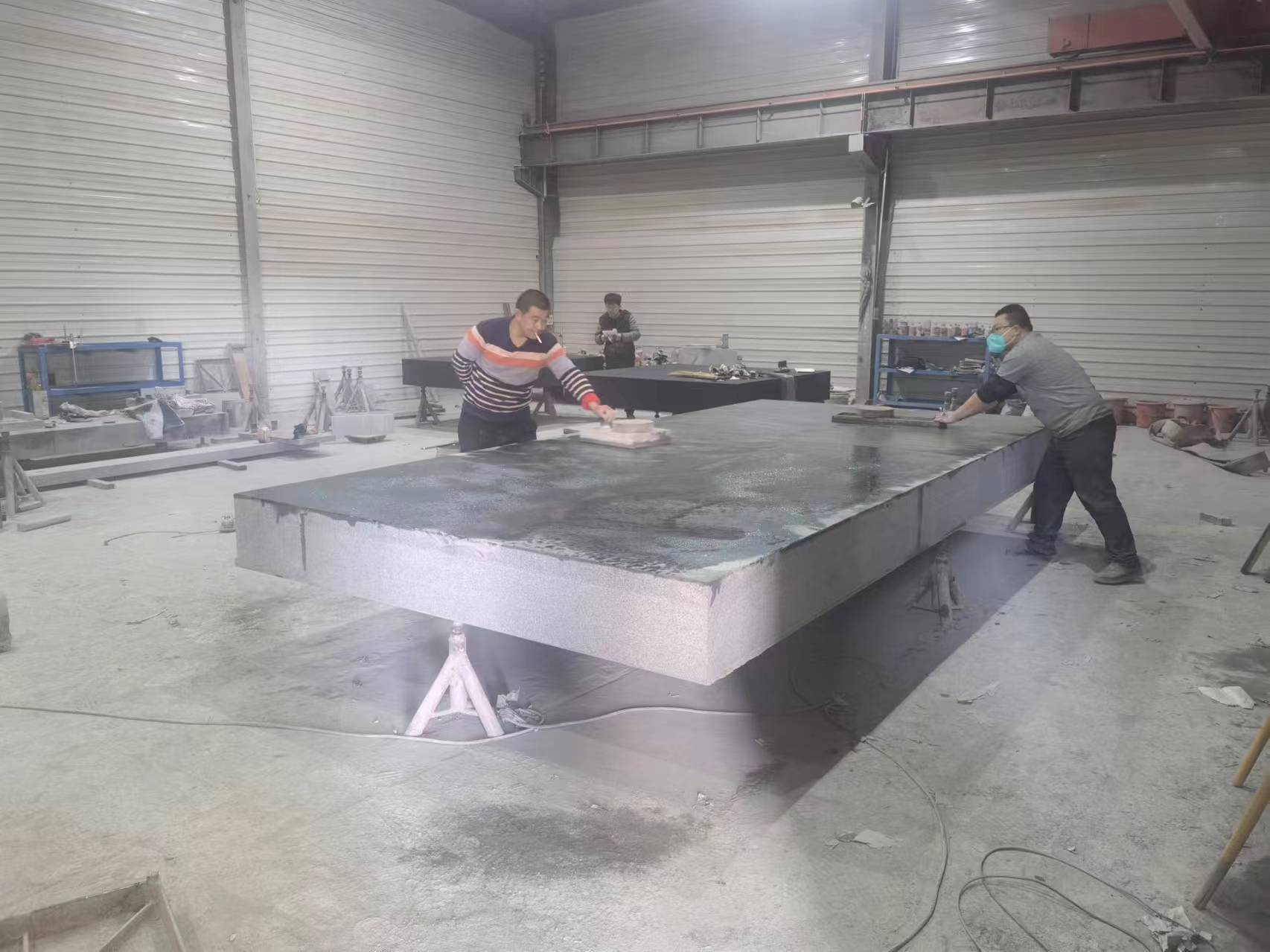
Zinc Coated Half Saddle Pipe Clamp for Secure and Reliable Pipe Mounting Solutions
Understanding Zinc-Plated Half Saddle Pipe Clamps A Comprehensive Overview In various industrial and
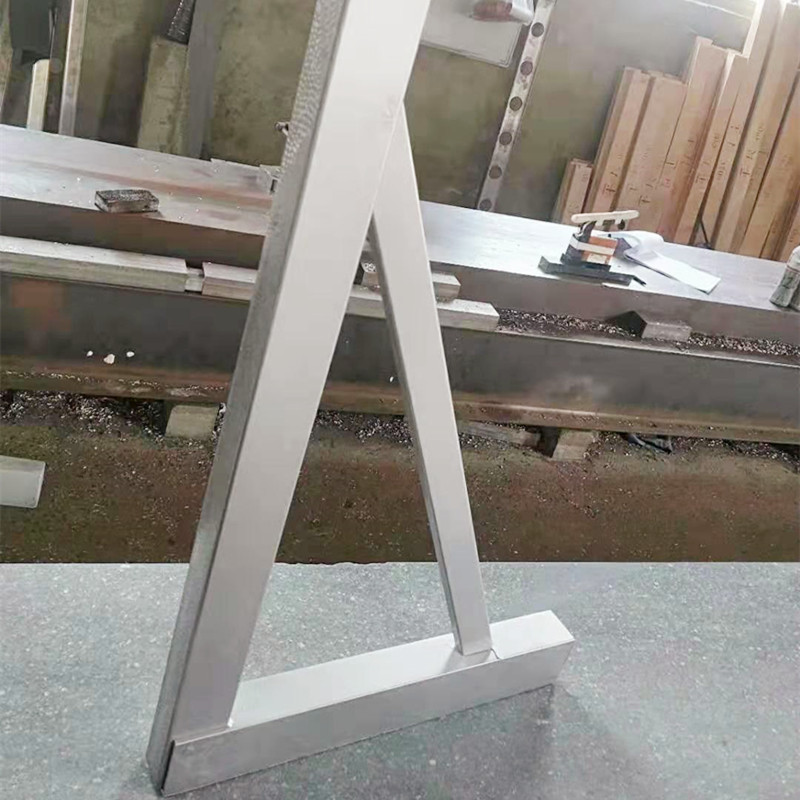
V Blocks Available for Purchase at Great Prices
V Blocks for Sale A Comprehensive Guide V blocks, also known as V-blocks or V-block clamps, are esse
vanne de porte
Les vannes sont des composants essentiels dans les systèmes de tuyauterie et de distribution de flui
 English